

RENEWABLE ENERGY PANEL
Leader: Tomasz Pelc
Owner of NEXUS Consultants, business advisor and expert in the fields of energy and strategic development.
Nuclear Energy in Poland – From Political Commitment to Successful Programme Delivery: Building the Foundations for Long-Term Success
Panel Description
The development of nuclear power plants is one of the most complex infrastructure programmes undertaken by any nation. International experience demonstrates that the success of a nuclear programme depends not only on the choice of technology or financing model, but above all on the quality of institutional, regulatory, and organisational preparedness.
During this panel, leading experts will discuss the actions Poland should take today to successfully implement a long-term nuclear energy programme while simultaneously strengthening national capabilities, developing industrial capacity, and enhancing the country's economic competitiveness.
Key Discussion Topics
- Preparing the State for Nuclear Programme Delivery – establishing an effective governance framework, competent institutions, and a clear allocation of responsibilities across public authorities.
- Regulation as the Foundation for Investment – identifying the legislative and institutional reforms required to ensure an efficient licensing and investment process.
- Developing National Competencies and the Domestic Supply Chain – leveraging Poland's industrial potential and experience in the energy sector to build a sustainable nuclear supply chain and a competitive domestic industrial ecosystem.
- Financing and Risk Management – mitigating cost overruns and schedule risks by drawing on lessons learned from nuclear projects implemented across Europe and globally.
- Public Acceptance and Stakeholder Engagement – building trust through transparent communication, meaningful public dialogue, and effective cooperation with local communities and municipalities.
- The Role of Nuclear Energy in Poland's Future Energy Mix – examining how nuclear power should complement renewable energy sources, energy storage technologies, and the expansion of electricity transmission and distribution networks.
- International Cooperation and Knowledge Transfer – exploring what Poland can learn from countries currently developing nuclear programmes as well as from nations with decades of operational nuclear experience.
Panel Objective
The objective of this panel is to present practical insights and strategic recommendations for the development of a modern nuclear energy programme in Poland. The discussion will extend beyond the delivery of nuclear power projects to include the development of national competencies, a competitive domestic industrial base, an effective regulatory framework, and a long-term state strategy.
The panel will explore how ambitious energy policy objectives can be translated into successfully delivered strategic projects that strengthen Poland's energy security, economic resilience, and long-term competitiveness while supporting the country's transition to a low-carbon economy.
Panelists:
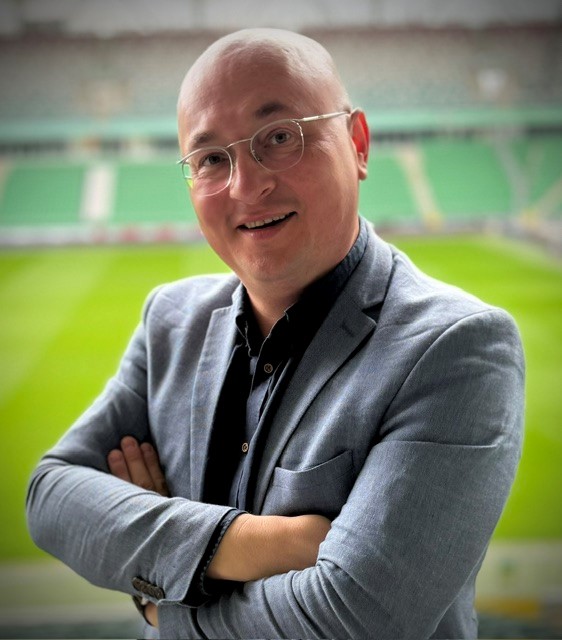
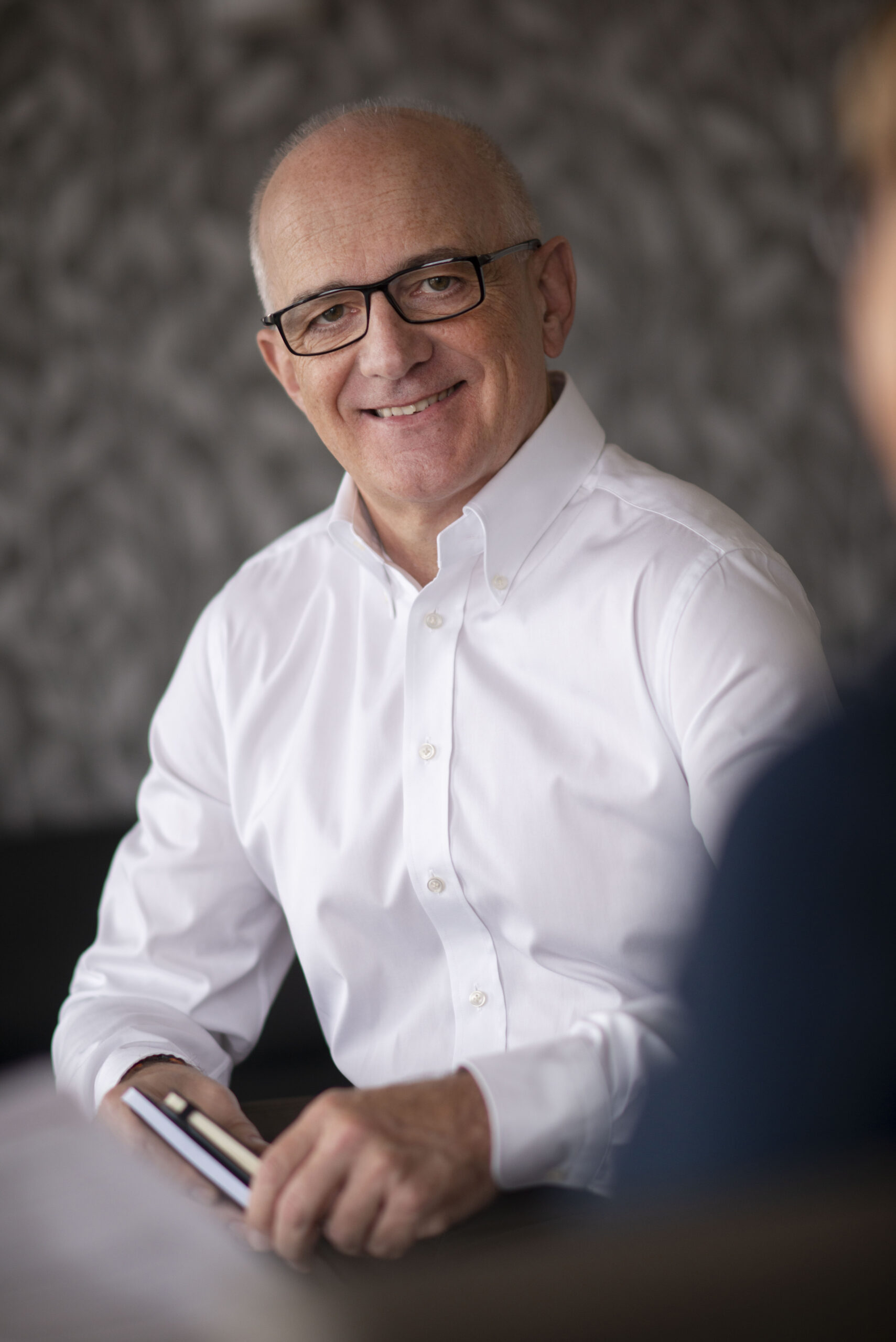
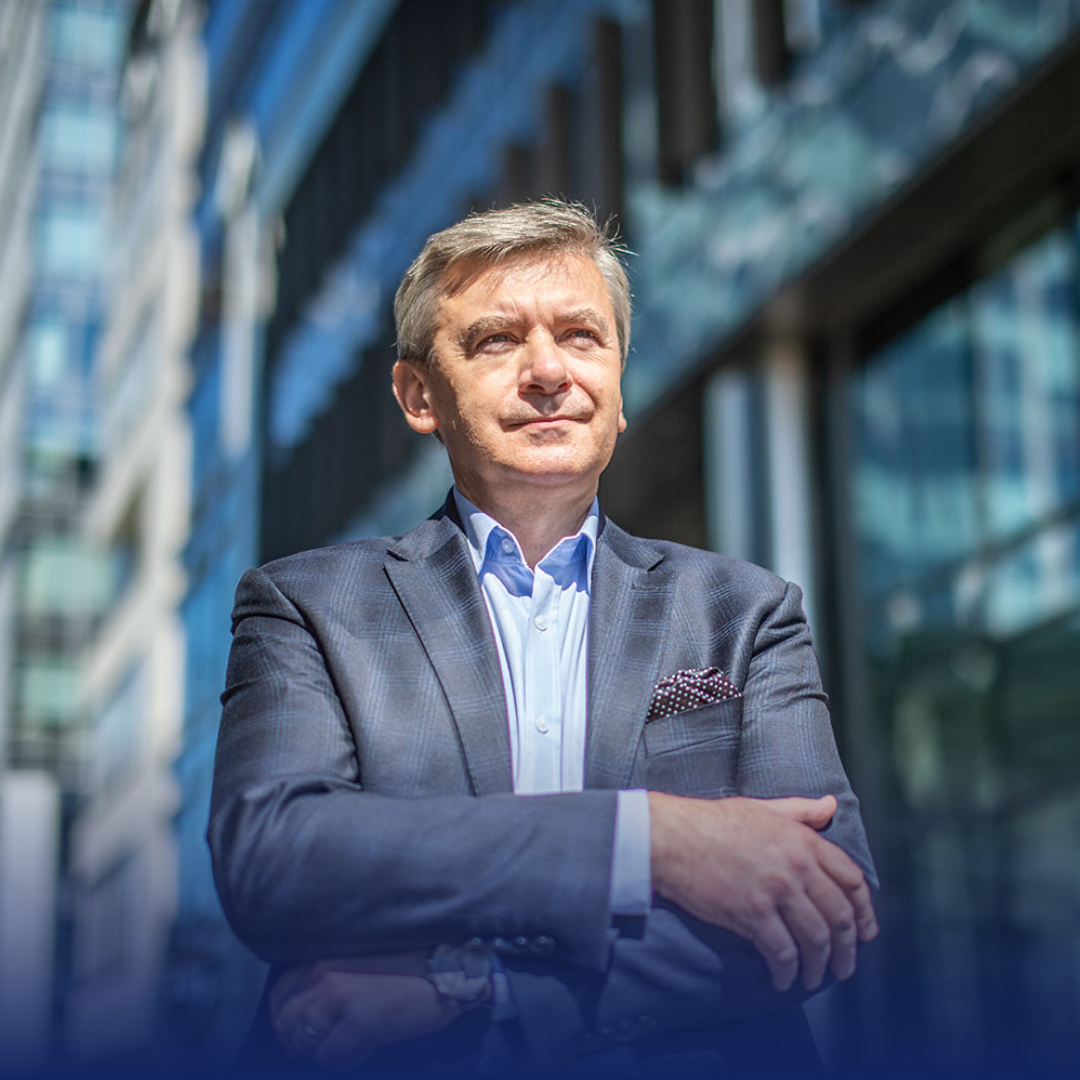
Tomasz Pelc
Owner of NEXUS Consultants, business advisor and expert in the fields of energy and strategic development. For many years, he has supported companies and institutions in the implementation of complex projects covering strategy, management, marketing, finance, organisational development and external funding acquisition.
Throughout his career, he has been involved in the delivery of more than 2,000 consulting projects for large and medium-sized enterprises across a wide range of industries, including the energy, chemical, retail, logistics and service sectors, as well as the public sector. He has worked with leading energy companies in Poland and internationally, including Orlen, PGE, ENERGA, ENEA, TAURON, PGNiG, EDF, Iberdrola, SPAC, RWE and CEZ. One of the significant projects in his career was the 1996 sale of the energy site originally designated for the planned Żarnowiec Nuclear Power Plant.
Today, his work focuses primarily on projects related to the energy transition, renewable energy sources, hydrogen technologies and energy resilience. He actively promotes the development of local energy ecosystems that integrate locally generated energy – including hydropower – with the efficient utilisation of surplus electricity and long-term energy storage solutions, including hydrogen storage in salt caverns.
He has initiated and promoted a number of projects supporting the development of a net-zero economy and the hydrogen sector, including the Greater Poland Hydrogen Strategy (Wielkopolska Hydrogen Strategy) and Hydrogen Podlasie. He is also actively engaged in building international business and technology partnerships aimed at strengthening energy security and resilience, accelerating the development of new technologies, and enhancing the long-term competitiveness of Polish companies.
At the heart of his professional activity is the conviction that the energy transition should not only strengthen energy security but also create new business opportunities for Polish companies and local economies. He combines extensive consulting experience with a pragmatic approach to project development, partnership building and the implementation of innovative business models.